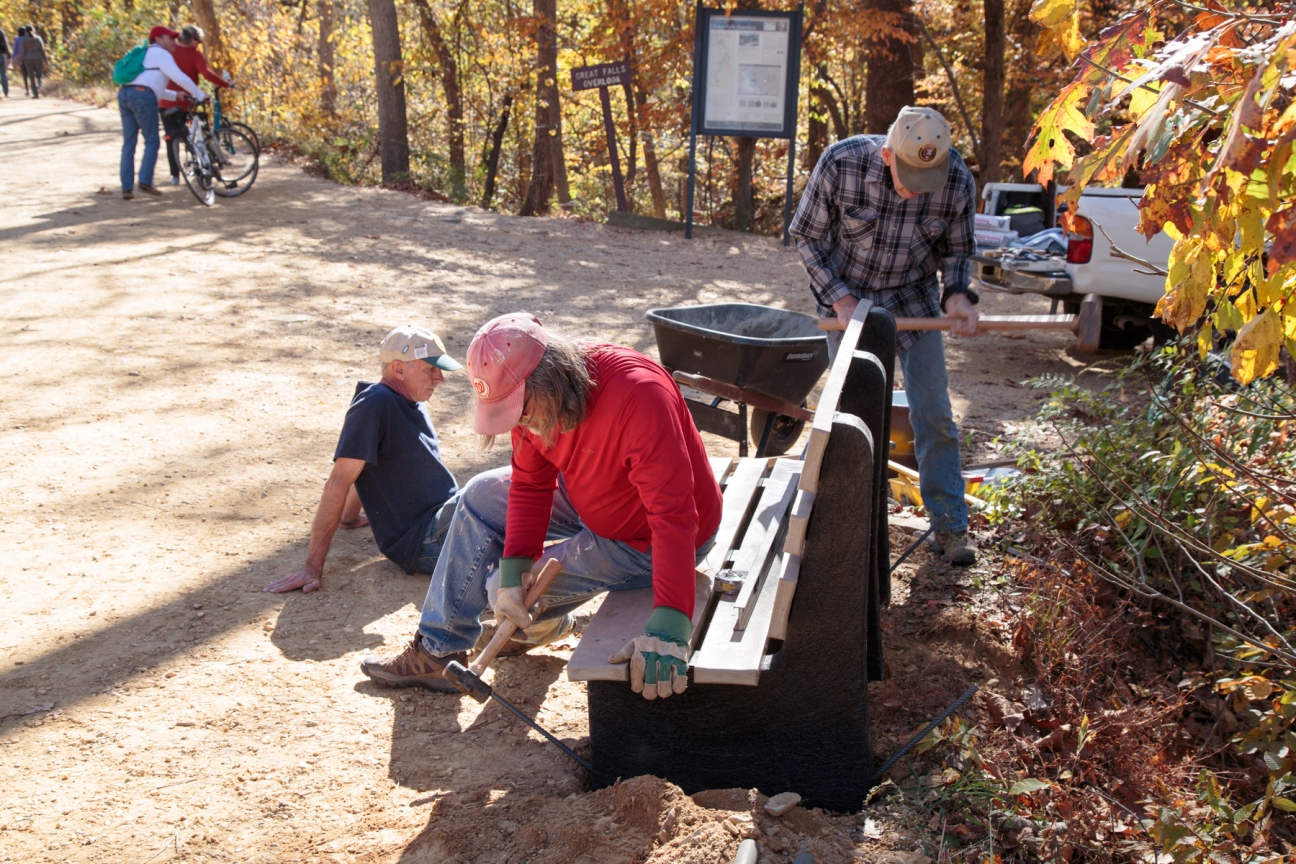
Volunteering to help the park: A work crew installs a bench near Great Falls in 2016.
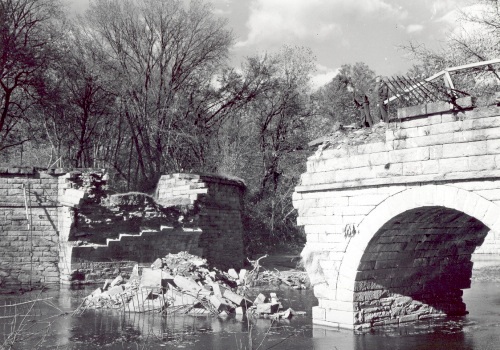
Supporting park projects: Catoctin Aqueduct after collapse in 1973
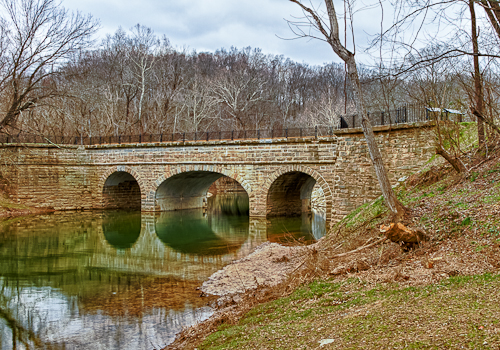
Supporting park projects: Catoctin Aqueduct after restoration effort in 2011
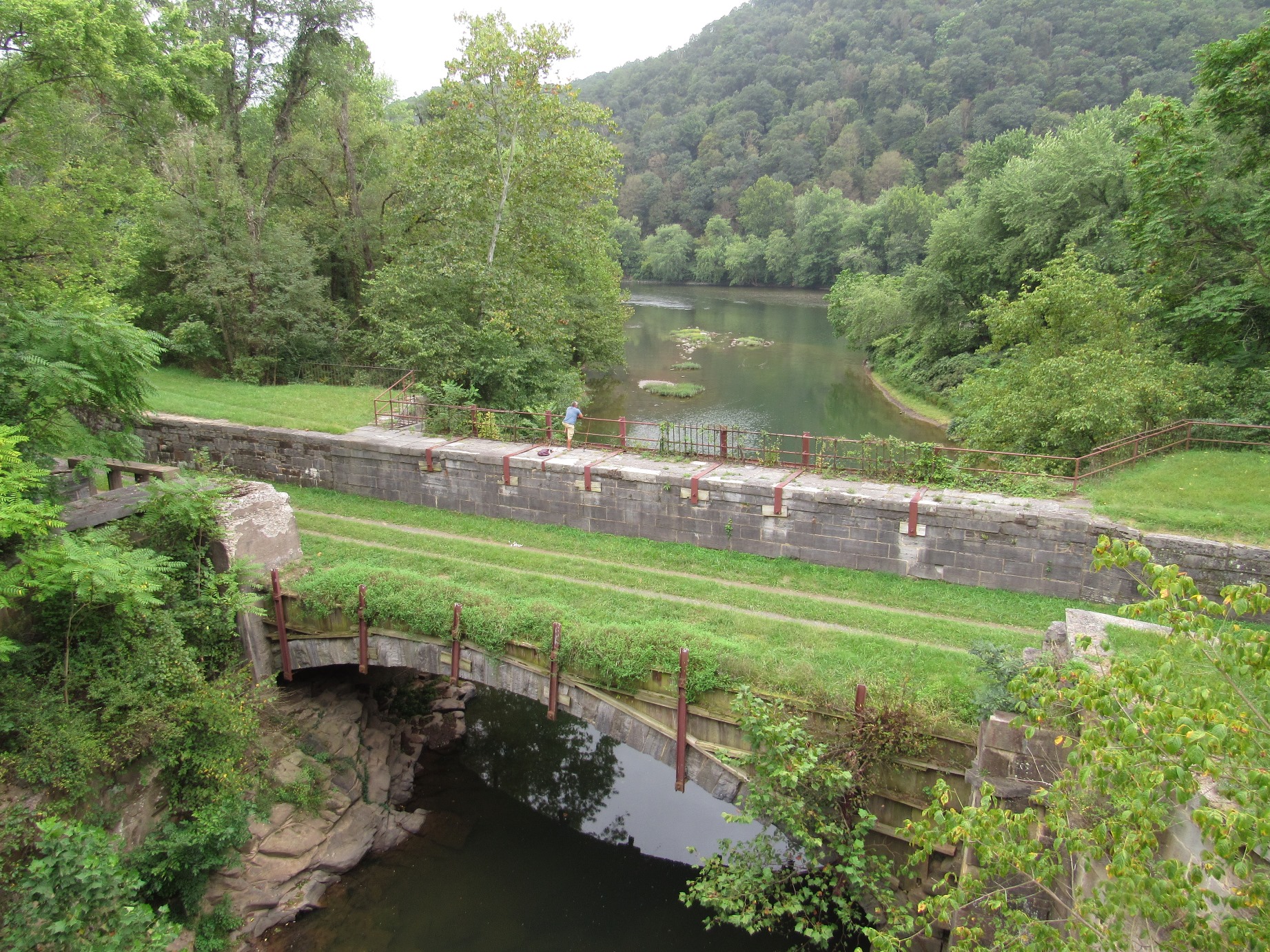
Exploring history and nature: Sideling Hill Creek Aqueduct as viewed from the Western Maryland Rail Trail.
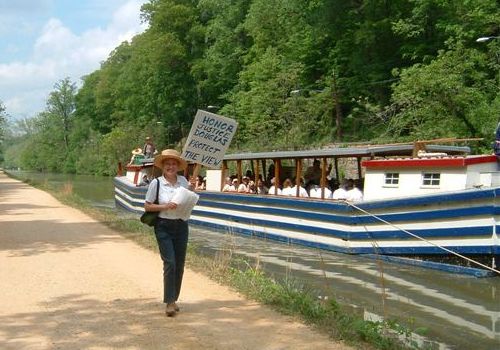
Protecting the canal since 1954: The association opposes Georgetown University’s plan to build a large boathouse in the park
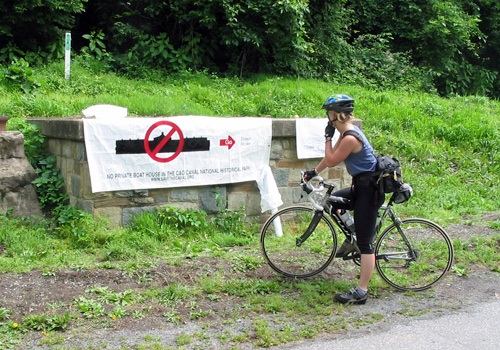
Protecting the canal since 1954: The association opposes Georgetown University’s plan to build a large boathouse in the park
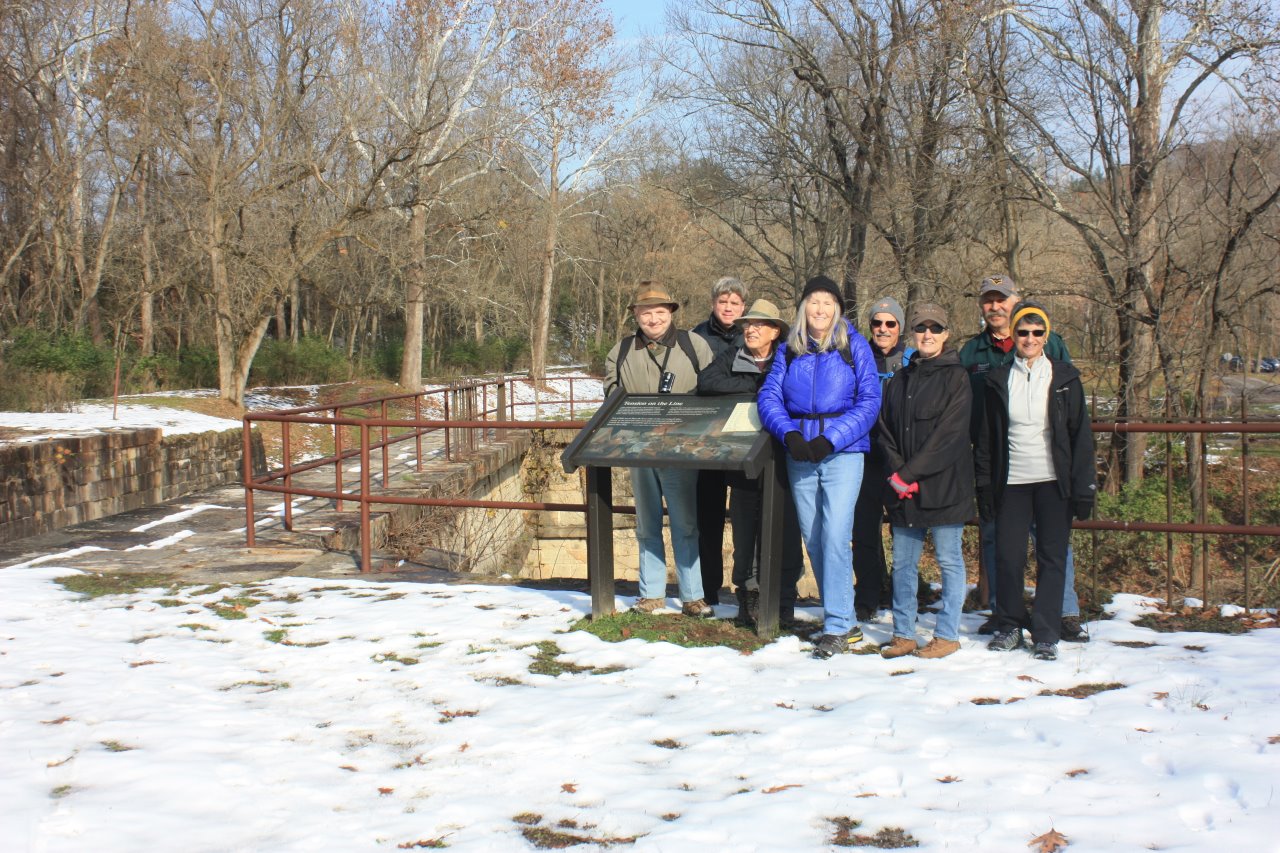
Exploring history and nature: Hikers gather at Fifteen Mile Creek Aqueduct in 2018.
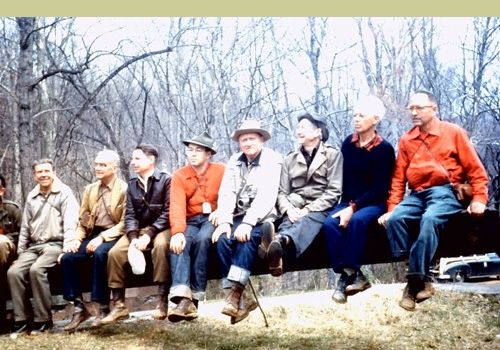
Protecting the canal since 1954: Justice Douglas and eight others pause during their famous hike, which publicized the canal in 1954
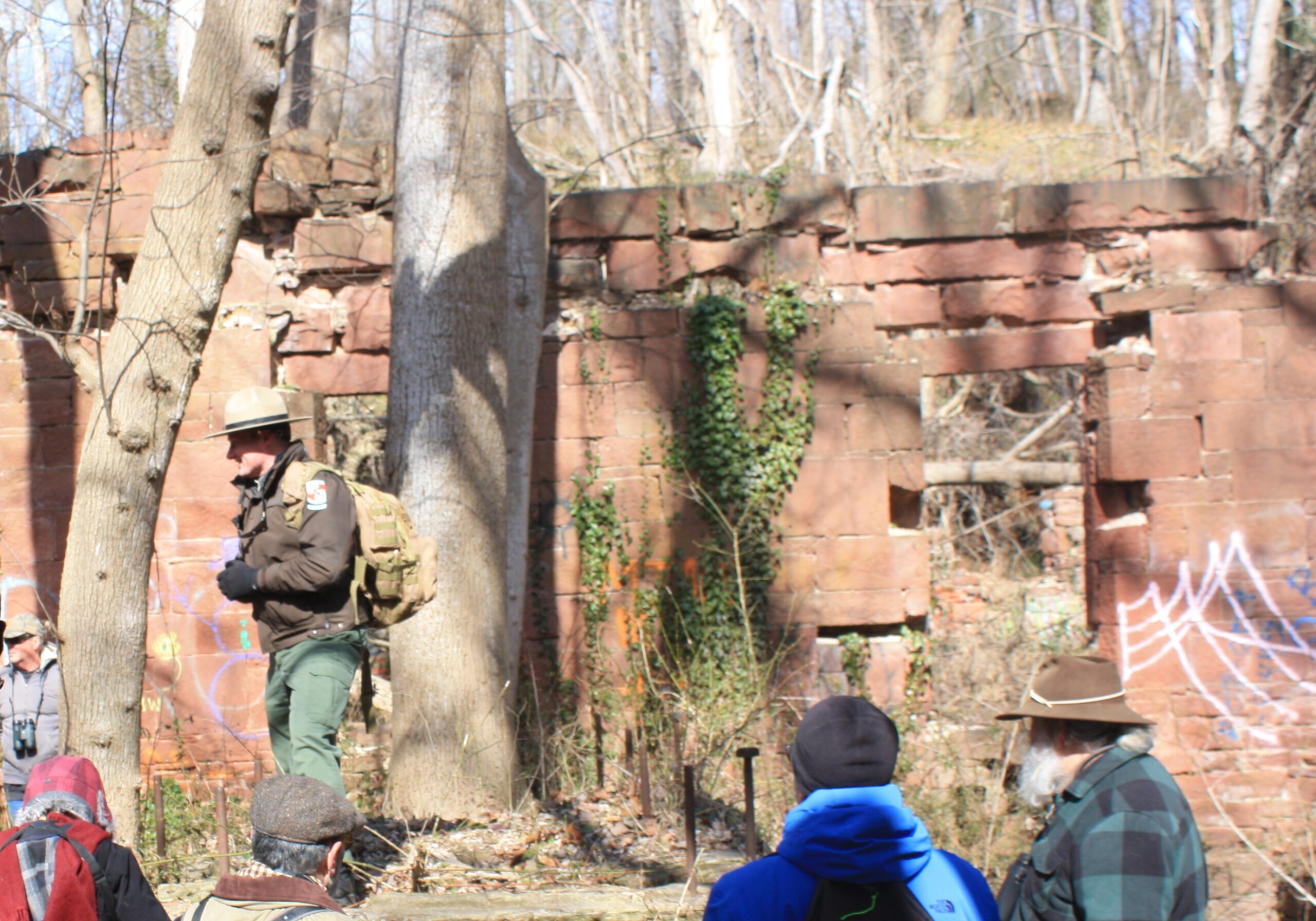
Exploring history and nature: Ranger provides interpretation for hikers at Seneca Stone Cutting Mill in 2020.
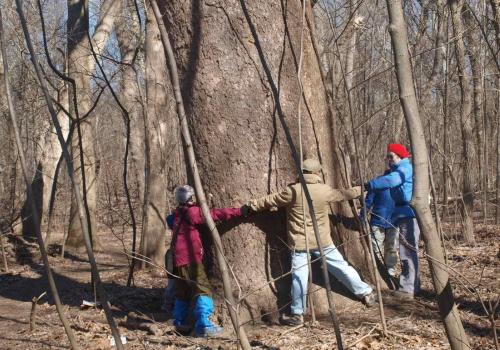
Exploring history and nature: Hikers marvel at a large specimen during a tree identification walk in 2012
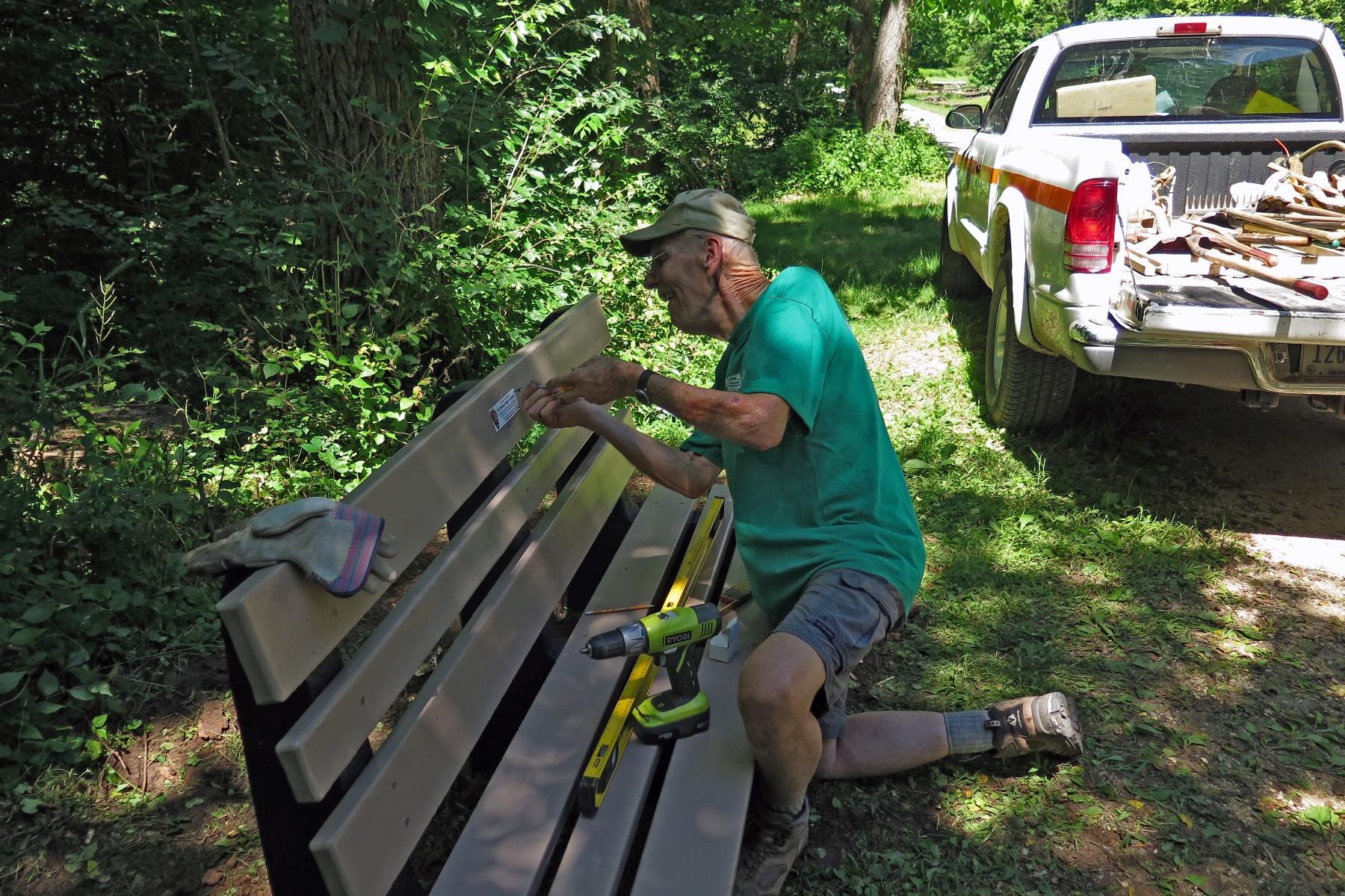
Volunteering to help the park: Association volunteer attaches plaque to newly installed bench in 2018.
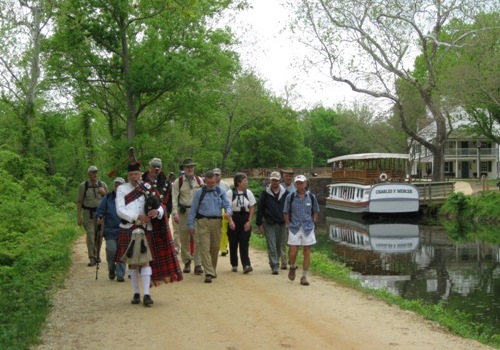
Exploring history and nature: Association members participate in the last day of the 2009 Thru Hike at Great Falls
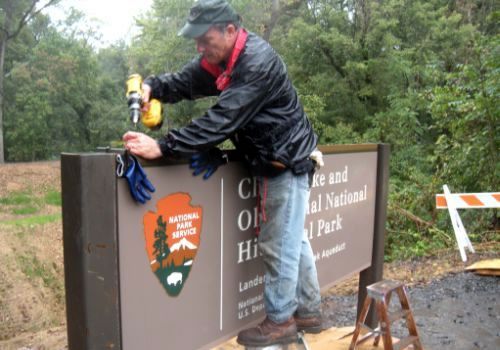
Volunteering to help the park: Association member helps install an identification sign at Landers in 2011
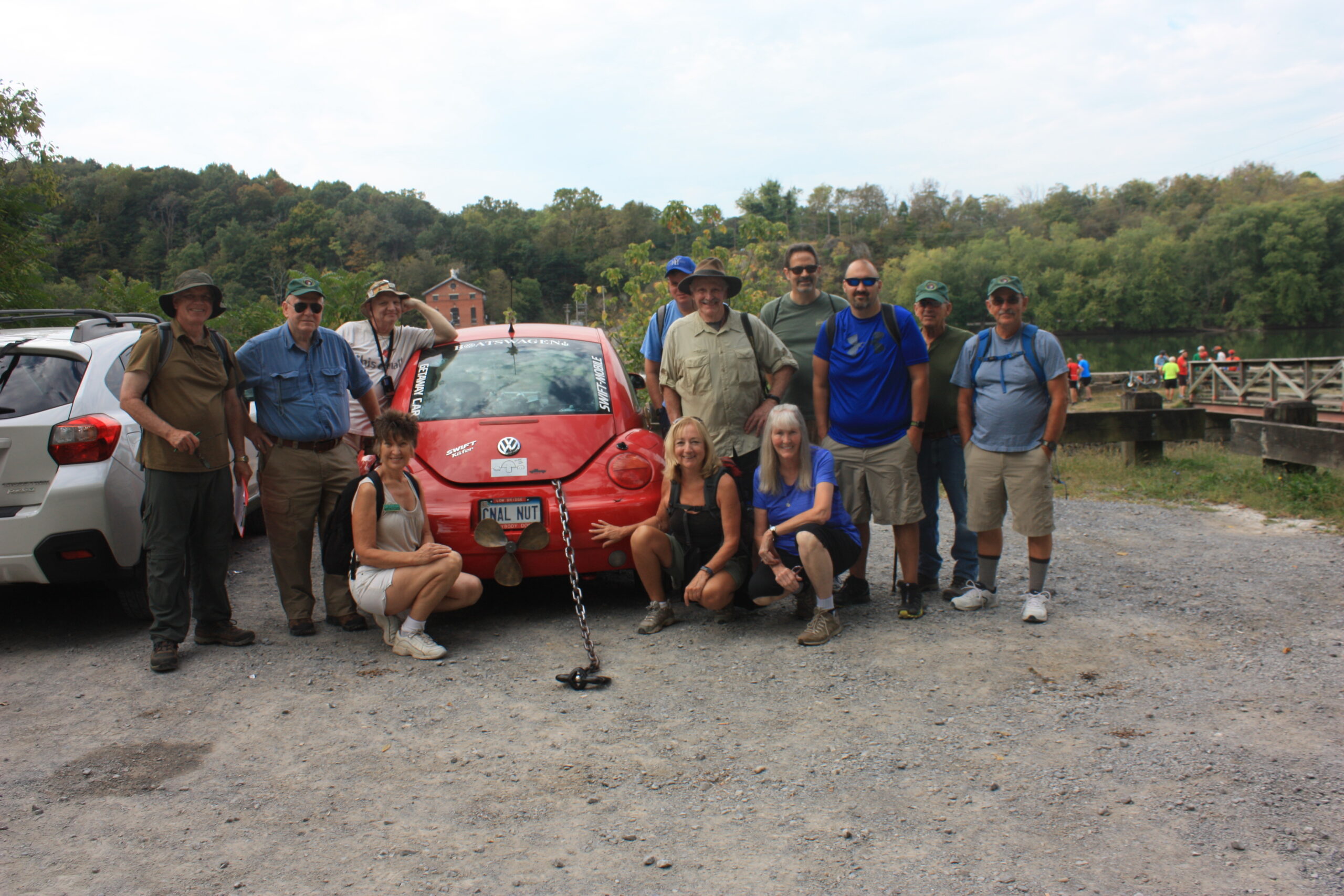
Exploring history and nature: Hikers gather at Dam 5 in 2019.
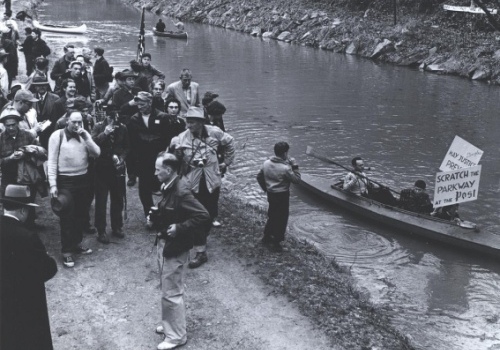
Protecting the canal since 1954: Justice Douglas and others rally against replacing the canal with a highway.
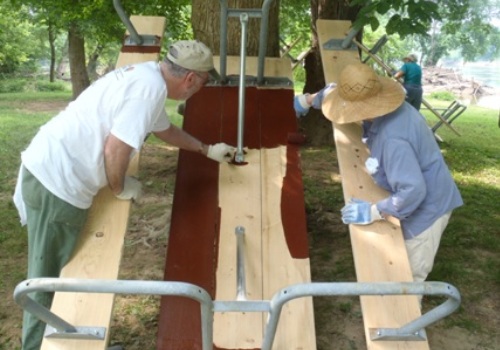
Volunteering to help the park: Association members repaint picnic tables at Swains Lock
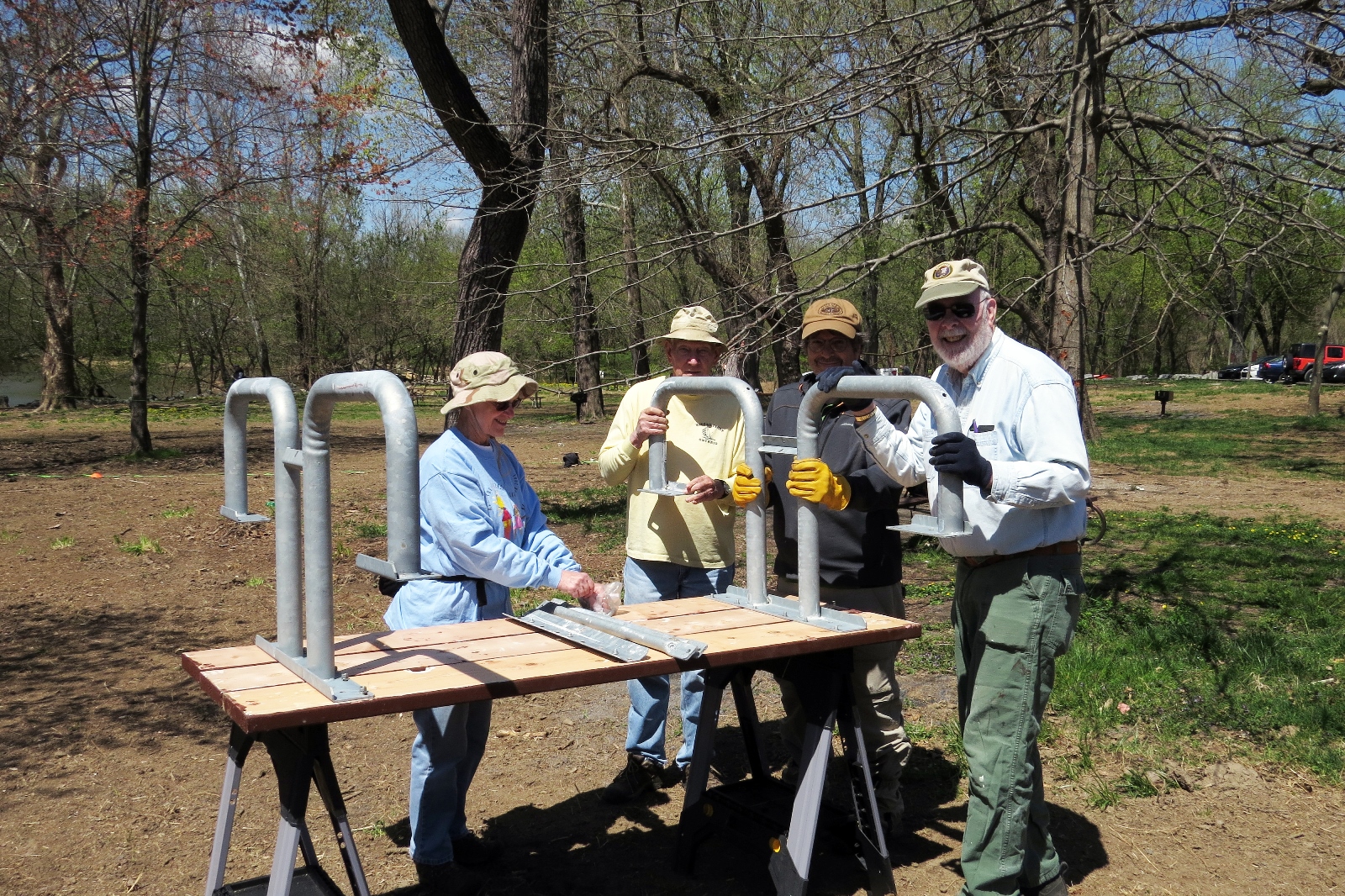
Volunteering to help the park: Association volunteers assemble picnic table in 2018.

Even more of the iconic Paw Paw Tunnel. Great photos. Shameful graffiti on a historic structure
This content isn't available right now
When this happens, it's usually because the owner only shared it with a small group of people, changed who can see it or it's been deleted.Photos from Emily Goes Places's post

Have also thought of stopping- will do it soon - thanks for the reminder
Left there 46 years ago after putting up with that hellhole and it’s people for 23 years. Best decision I ever made. It may have been the Queen City 100 years ago but now it’s the septic tank of Maryland.